
Salt Lake Stadium: Unveiling the Magnificence of Salt Lake Stadium: A Sporting Icon in Kolkata
-
 by Admin
 - 12, Jan 2024
 by Admin
Salt Lake Stadium: Unveiling the Magnificence of Salt Lake Stadium: A Sporting Icon in Kolkata
Let see Introduction of Salt Lake Stadium, salt lake stadium capacity, salt lake stadium photos, salt lake stadium Kolkata, kolkata salt lake stadium etc on salejusthere.com which is free classified ads website. Salt Lake Stadium, Nestled in the heart of Kolkata, the Salt Lake Stadium stands as a colossal testament to the city's rich sporting culture and passion. This iconic stadium, officially known as Vivekananda Yuba Bharati Krirangan, is not just a venue for sporting events; it is a symbol of Kolkata's enthusiasm for football and a witness to historic moments in Indian sports. This article explores the grandeur and significance of the Salt Lake Stadium.
Historical Background of Salt Lake Stadium
Salt Lake Stadium, inaugurated in 1984, was initially built to host the Jawaharlal Nehru International Gold Cup, a football tournament. Over the years, the stadium underwent several renovations and expansions to accommodate the growing interest in sports and the increasing number of spectators.
Key Features of Salt Lake Stadium:
Capacity: Renowned for being one of the largest stadiums in Asia, Salt Lake Stadium has a seating capacity that can host over 85,000 spectators. The vast expanse of the seating arrangement provides an electrifying atmosphere during sporting events.
Multi-Sport Venue: While primarily known for football, the stadium is a versatile venue that has hosted a variety of sporting events, including international football matches, athletics competitions, and cultural events.
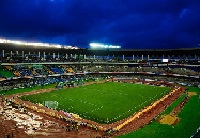
Architectural Marvel: The stadium's design is an architectural marvel, featuring a unique bowl-shaped structure that ensures unobstructed views for spectators. The sheer scale of the stadium is awe-inspiring and reflects Kolkata's commitment to sports.
Football Legacy
Salt Lake Stadium has etched its name in Indian football history, having hosted numerous memorable matches. It has been the home ground for some of the most celebrated football clubs in India, including Mohun Bagan, East Bengal, and ATK Mohun Bagan in the Indian Super League. The deafening cheers of passionate fans reverberate through the stadium during high-stakes matches, creating an unparalleled ambiance.
International Events Hosted in Salt Lake Stadium
The stadium has been a proud host of various international events, including the 1987 South Asian Games and the 2017 FIFA U-17 World Cup. The FIFA U-17 World Cup, in particular, brought global attention to Salt Lake Stadium, showcasing its capabilities as a world-class venue.
Renovations and Modernization of Salt Lake Stadium
In preparation for the U-17 World Cup, Salt Lake Stadium underwent significant renovations to meet international standards. The upgrades included improved seating, modern facilities for players and spectators, and state-of-the-art amenities, reaffirming its status as a top-tier sports venue.
Community Engagement and Cultural Events
Beyond sports, Salt Lake Stadium has become a hub for cultural events and community engagement. Concerts, festivals, and other cultural gatherings find a home within its sprawling premises, contributing to the stadium's role as a multifaceted space for entertainment and community bonding.
Salt Lake Stadium Capacity: A Colossal Arena for Sporting Spectacles
Salt Lake Stadium, officially known as Vivekananda Yuba Bharati Krirangan, stands as a monumental structure in Kolkata, India, embodying the city's fervor for sports and entertainment. Central to its significance is its awe-inspiring capacity, making it one of the largest and most iconic stadiums in Asia. This article delves into the remarkable Salt Lake Stadium capacity, exploring its vastness and the experiences it offers to the multitude of spectators who fill its stands.
Historical Context
Constructed in 1984, Salt Lake Stadium was envisioned as a venue that could accommodate large audiences for major sporting events. Over the years, it has undergone multiple renovations and expansions to meet the growing demands of the sporting landscape and maintain its status as a premier facility.
Key Features of Salt Lake Stadium Capacity:
Impressive Seating Arrangement: The stadium boasts a colossal seating arrangement that can accommodate a staggering number of spectators. With a seating capacity exceeding 85,000, Salt Lake Stadium provides an unparalleled experience for fans attending football matches, athletics competitions, and other events.
Bowl-Shaped Structure: The unique architectural design of Salt Lake Stadium, resembling a massive bowl, contributes to its ability to host large crowds without compromising sightlines. This design ensures that every spectator gets a clear and unobstructed view of the events unfolding on the field.
Versatility: While primarily renowned as a football stadium, Salt Lake Stadium's versatility is evident in its capacity to host a wide array of events. From high-profile football matches featuring India's top clubs to international competitions and cultural extravaganzas, the stadium's expansive capacity accommodates diverse gatherings.
Football Legacy and Capacity Utilization
Salt Lake Stadium's colossal capacity has played a pivotal role in shaping the football culture in Kolkata and India. It has been the preferred home ground for iconic football clubs, including Mohun Bagan, East Bengal, and ATK Mohun Bagan in the Indian Super League. The sheer volume of passionate fans filling the stadium during matches creates an electrifying atmosphere that adds to the legacy of this sporting arena.
Salt Lake Stadium International Recognition
The stadium's capacity became especially significant when it hosted the 2017 FIFA U-17 World Cup. As one of the venues for this global football spectacle, Salt Lake Stadium welcomed teams, officials, and football enthusiasts from around the world. The immense capacity not only showcased the city's capability to organize international events but also underscored the stadium's stature on the global stage.
Renovations and Future Prospects
In preparation for hosting international events like the U-17 World Cup, Salt Lake Stadium underwent substantial renovations. Upgrades to seating, facilities, and amenities were implemented to meet international standards. These improvements not only enhanced the overall experience for spectators but also ensured the stadium's continued relevance in the evolving world of sports and entertainment.
Salt lake stadium photos: See More Photos HERE

Conclusion
Salt Lake Stadium stands tall not just as a structure of concrete and steel, but as a symbol of Kolkata's enduring love for sports and culture. From witnessing historic football matches to hosting international events, this stadium has become an integral part of the city's identity. As it continues to evolve and adapt to the changing landscape of sports and entertainment, Salt Lake Stadium remains a beacon, drawing enthusiasts from far and wide to experience the thrill and grandeur it has to offer.
Salt Lake Stadium's capacity is not just a numerical value; it is a testament to Kolkata's unwavering passion for sports and its commitment to providing a world-class venue for athletes and spectators alike. As this colossal arena continues to host memorable moments and sporting spectacles, its capacity remains a defining feature, inviting enthusiasts to be part of the grandeur that unfolds within its vast confines.
Read More Articles: HERE





salejusthere.com, Free Classified Website - is dedicated for the classified industry so that product/service listing can boost commercial exchanges world wide.