
No More Wasp Woes - 7 Proven Strategies for Long-Term Control
 by
by No More Wasp Woes - 7 Proven Strategies for Long-Term Control
Introduction
Wasps control can be a nuisance, causing fear and discomfort for many people. Their aggressive nature and painful stings make it crucial to find effective strategies for long term wasp control. In this article, we will explore seven proven strategies that can help you keep those pesky wasps at bay and regain control of your surroundings.
Understanding Wasp Behavior
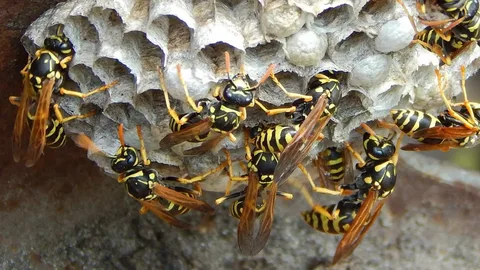
Before diving into the strategies, it's important to under stand the behavior of wasps. Wasps are social insects that build nests in various locations, including eaves, trees, and underground. They are attracted to sweet substances and can become more aggressive when their nest is threatened. By knowing how wasps behave, you can adopt appropriate control measures.
Identifying Wasp Nests
The first step in effective wasp control is identifying their nests. Look for signs of wasp activity, such as frequent buzzing, visible nests, or an increased number of wasps around your property. Carefully observe the flight paths of the wasps to locate their nest. Identifying the nest's location will help you target your control efforts more accurately.
Natural Wasp Deterrents
If you prefer environmentally friendly solutions, there are several natural deterrents you can use to repel wasps. Peppermint oil, eucalyptus oil and vinegar are known to discourage wasps from building nests near treated areas. Planting certain herbs like spearmint or thyme can also act as natural repellents. These methods provide a nontoxic approach to deter wasps and prevent them from returning.
Homemade Wasp Traps
When dealing with a small number of wasps, homemade traps can be an effective solution. Create a simple trap by cutting the top off a plastic bottle, inverting it, and securing it with tape. Fill the bottom with a mixture of sugar water or vinegar to attract the wasps. The wasps will be lured into the trap and find it difficult to escape. Remember to place the traps away from areas where you spend time to avoid attracting more wasps to your vicinity.
Professional Wasp Control Methods
In cases where the infestation is severe or the nest is hard to reach, it's advisable to seek professional assistance. Pest control companies have expertise in dealing with wasps and can safely remove nests from your property. They use specialized equipment and insecticides to eliminate the threat effectively. Professional like specific pest control ensures your safety and provides long term results.
Preventive Measures
Prevention plays a vital role in long-term wasp control. To minimize the chances of wasps establishing nests on your property, seal any openings or cracks in walls, windows, and doors. Cover trash bins tightly, as wasps are attracted to food waste. Keep your outdoor eating areas clean and free of sweet spills. By eliminating potential nesting sites and food sources you can significantly reduce the likelihood of wasp infestations.
Conclusion
By implementing these seven proven strategies for long term wasp control, you can regain peace and tranquility in your surroundings. Understanding wasp behavior, identifying nests, using natural deterrents setting up homemade traps, seeking professional assistance when necessary, and taking preventive measures will help you keep wasps at bay. Remember, prevention is key, and addressing the issue promptly will save you from future wasp woes.
FAQs
Are wasp stings dangerous?
While wasp stings can cause severe pain and allergic reactions in some individuals, they are generally not life threatening. However, it's important to seek medical attention if you experience difficulty breathing, swelling or other severe symptoms after a wasp sting.
How can I differentiate between wasps and bees?
Wasps have a smooth and shiny appearance, while bees are hairy. Wasps also have longer, slimmer bodies compared to bees. Additionally, wasps are more aggressive and likely to sting repeatedly.
Can I remove a wasp nest on my own?
Removing a wasp nest can be dangerous especially if it's large or located in a hard to reach area. It's best to seek professional help to ensure the safe removal of the nest.
Yes, wasps contribute to the ecosystem by controlling populations of other insects, such as flies and caterpillars. They also assist in pollination. However, if their presence poses a threat or nuisance, it's important to take appropriate control measures.
How often should inspect my property for wasp nests?
Regular inspections especially during the spring and summer months are recommended to identify and address wasp nests early on. By doing so, you can prevent potential infestations and minimize the need for extensive control measures.
In conclusion, taking proactive measures and implementing effective strategies for wasp control can bring relief from these buzzing pests. By understanding their behavior, identifying nests, using natural deterrents, setting up traps, seeking professional assistance when needed, and practicing preventive measures, you can achieve long-term control and create a wasp free environment. Remember to prioritize safety and consult professionals for complex or hazardous situations.
Read More Articles: CLICK HERE





salejusthere.com, Free Classified Website - is dedicated for the classified industry so that product/service listing can boost commercial exchanges world wide.